The Russia-Ukraine war, which began in February 2022, continues to have major regional and global implications. Initially, Russia aimed to quickly take control of Kyiv and other key Ukrainian regions, but Ukraine’s resilient defense, backed by Western allies, prevented that outcome.
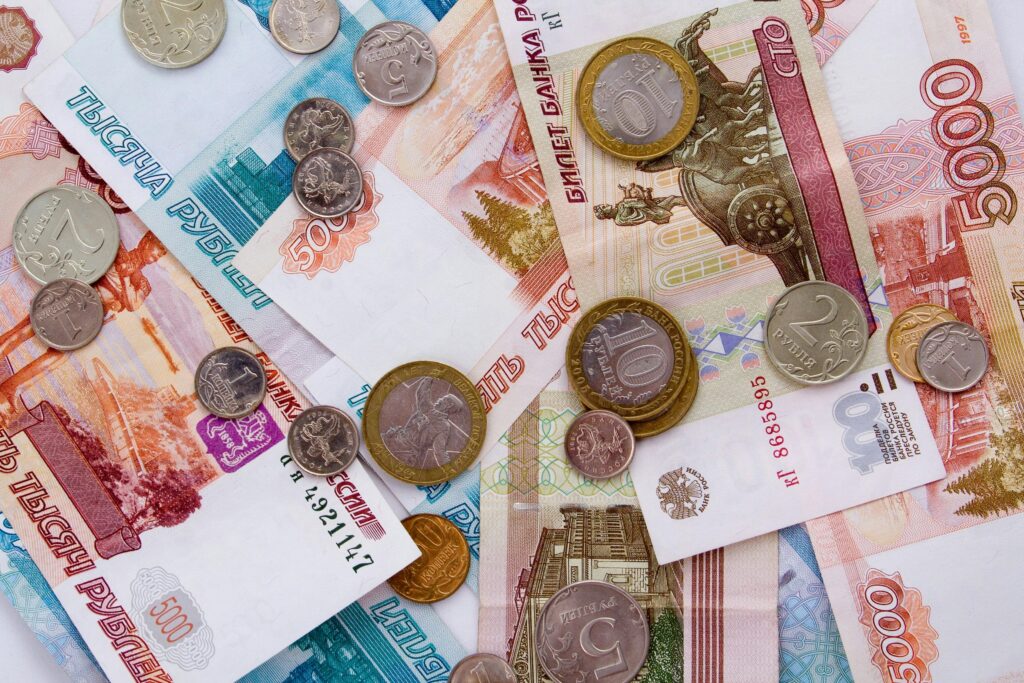
With almost three years into the war, Russia’s economic situation in 2024 remains complex, heavily influenced by sustained war expenses, Western sanctions, and the evolving global energy market. The combination of economic sanctions and rising military spending has led to significant challenges for the Russian economy. Since the 2022 invasion of Ukraine, Russia has relied on its National Wealth Fund (NWF) to cushion these impacts. However, with reserves depleting, some experts warn that this financial cushion could run dry within a year, potentially driving inflation and further weakening the ruble as the central bank might resort to money printing to cover shortfalls.
Despite these pressures, Russia has maintained relative stability, in part due to increased non-oil and gas revenue, largely from new taxation strategies and privatization efforts. Domestic consumer demand has shown resilience, contributing to some growth in sectors like retail, although this may also exacerbate inflation risks. Meanwhile, the government has increasingly turned to China for trade and financial transactions, with the yuan now playing a major role in Russia’s international trade, especially as Western markets remain closed off.
Still, Russia’s dependency on high oil prices remains pivotal. If oil prices were to drop significantly, the budget could experience substantial shortfalls. This dependency is compounded by the necessity to address growing budget deficits while sustaining military spending. The Kremlin’s recent indications of a possible return to stricter fiscal policies in 2025 may help stabilize the economy but could also slow growth in the near term.
In summary, while Russia has adapted its economy to some extent, long-term stability remains uncertain, with fiscal reserves diminishing and sanctions curbing broader economic opportunities. Future stability will largely hinge on oil price trends and Russia’s ability to further adjust to a more isolated and sanctions-affected economic model.